


Recent Blog Posts
How Connecticut's Legislation is Tackling PFAS in Firefighting Foam
Connecticut's really making some big moves to tackle PFAS contamination in firefighting foam. It's a critical initiative, especially considering the serious health and environmental risks these substances pose. The Connecticut Department of Energy and Environmental Protection (DEEP) is leading the charge here, potentially setting a trend for other states. With the EPA regulations demanding effective PFAS management by 2025, Connecticut's proactive measures are both timely and necessary. And that's quite reassuring.

What Are PFAS and Why Are They a Concern?
PFAS, often called "forever chemicals," are synthetic compounds that just don't go away. They're used in products like Aqueous Film Forming Foam (AFFF) because of their water and oil-repellent properties. But here's the kicker: their persistence and bioaccumulation are linked to some pretty serious health concerns, including cancer, liver damage, decreased fertility, and asthma. (Which, honestly, is pretty alarming.)
How Indiana's Foam Collection Program Impacts Firefighter Safety
Indiana's really stepping up to the plate to tackle the challenges posed by firefighting foam and PFAS contamination. The state's Foam Collection Program, led by the Indiana Department of Homeland Security (IDHS) and the Indiana Department of Environmental Management (IDEM), focuses on collecting and safely disposing of PFAS-containing foam from fire agencies. And this initiative? It's vital for enhancing firefighter safety and shielding the community and environment from the health risks linked to PFAS exposure.

What Are PFAS and Why Should We Be Concerned?
PFAS, or per- and polyfluoroalkyl substances, are synthetic chemicals you’ll find in many industrial and consumer products, including firefighting foams. They're known for their resistance to water and grease, which is why they were extensively used in Class B firefighting foams to combat flammable liquid fires. But here's the catch: these chemicals have been associated with health issues like thyroid disease, high cholesterol, and certain cancers, as noted by the U.S. Environmental Protection Agency (EPA). And that's concerning.
Can California's SB 1044 Lead the Way in Fighting PFAS Pollution?
California's SB 1044 is, quite frankly, a big deal when it comes to tackling the pressing issue of PFAS pollution. This piece of legislation calls for the gradual phasing out of Aqueous Film Forming Foams (AFFF) that contain PFAS chemicals. And that's concerning because these chemicals are notorious for contaminating water supplies and posing serious health risks. So, what does this mean for firefighting foam safety, PFAS contamination, and the health of our communities? Let's dive in.

What Are PFAS and Why Are They a Concern?
Per- and polyfluoroalkyl substances, or PFAS, are synthetic chemicals that have been around since the 1940s. They're found in all sorts of products, including firefighting foams known as AFFF. These chemicals are really good at repelling oil and water, which makes them essential for putting out flammable liquid fires, or Class B fires. But here's the kicker: PFAS are often called "forever chemicals" because they don't break down in the environment. Imagine that. They just stick around, leading to persistent pollution. And they've been linked to all sorts of health issues, like cancer, liver damage, and even messing with our immune systems.
Can Wisconsin Regulations on PFAS Firefighting Foam Protect Communities?
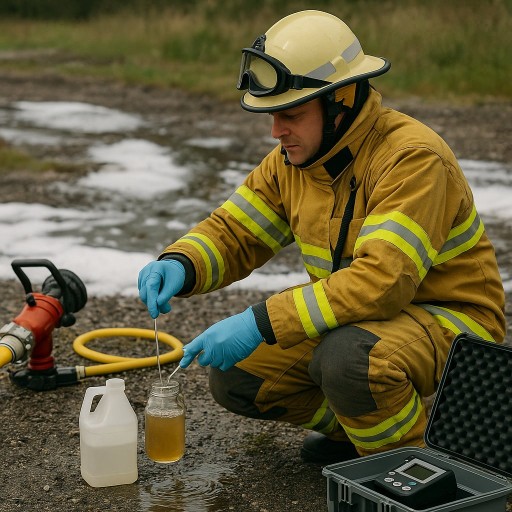
PFAS-containing firefighting foams have, understandably, raised quite a few eyebrows at the Wisconsin Department of Natural Resources (DNR). Why? Because of their environmental and health impacts. PFAS, or perfluoroalkyl and polyfluoroalkyl substances, are pretty much the backbone of aqueous film-forming foams (AFFF) used by firefighters. They're known for sticking around in the environment and posing potential health risks. This has led to a lot more regulatory attention and, naturally, a spike in community awareness.
What Are PFAS and Why Are They Controversial?
PFAS are synthetic chemicals that have been around since the 1950s. They’re used in all sorts of industrial and consumer products. Their ability to resist heat, water, and oil makes them super effective in firefighting foams, especially Class B foams, which tackle flammable liquid fires. But here's the catch: these same properties mean they hang around in the environment for ages. That's why they're often called "forever chemicals." Exposure to PFAS has been linked to some serious health issues, like thyroid disease, reproductive problems, and even cancer. And that's concerning.
How California's SB-1044 Shapes the Future of Firefighting Foam and PFAS Safety
California's Senate Bill 1044 (SB-1044) is shaking things up when it comes to how we use firefighting foam. It's all about making it safer for both firefighters and the environment. This piece of legislation is pretty much a game-changer in tackling PFAS contamination, which is a big deal for public health and our planet's well-being. With the Office of the State Fire Marshal (OSFM) leading the charge, getting a handle on what phasing out PFAS in Class B firefighting foam means is crucial for staying compliant and protecting our health.

What Is SB-1044 and Why Is It Important for Reducing PFAS Contamination?
SB-1044 is a legislative move within the California Health and Safety Code aiming to get rid of Perfluoroalkyl and Polyfluoroalkyl Substances (PFAS) in Class B firefighting foams. These chemicals, known for sticking around in the environment and causing health problems, have been a concern for quite some time. The legislation is pushing to seriously cut down PFAS contamination, tackling their long-lasting presence in soil and water. And that's concerning.
Oregon's New Law How Will the Ban on PFAS in Firefighting Foam Affect Us?
Oregon's really taken a bold step forward to boost environmental safety and public health by banning PFAS, often called "forever chemicals," in firefighting foam through Senate Bill 91. This law means fire departments need to phase out these harmful substances by July 1, 2026. And that's crucial. Why? Because it addresses the ongoing issue of PFAS contamination, which poses significant risks to both firefighters and the communities they serve.

What Are PFAS and Why Are They Called 'Forever Chemicals'?
PFAS, or per- and polyfluoroalkyl substances, are synthetic chemicals used across various industries, including firefighting foams. They get the nickname "forever chemicals" because they just don't break down in the environment, leading to a long-lasting presence. Imagine if they just kept piling up. This persistence allows PFAS to accumulate in ecosystems and living organisms, raising some pretty serious health and ecological concerns.
What 3M's Knowledge of PFAS in Firefighting Foam Means for Public Health
So, here's the thing: recent findings have shown that 3M actually knew about the harmful effects of PFAS, those so-called "forever chemicals," in their firefighting foams way back in the 1940s. And yet, they kept marketing these chemicals as safe. PFAS contamination is a big deal, posing serious risks to both environmental safety and public health. It raises some pretty critical questions about the long-term effects on our communities and ecosystems. And that's concerning.

How Do PFAS in Firefighting Foams Affect the Environment?
PFAS, or per- and polyfluoroalkyl substances, are notorious for sticking around in the environment. These chemicals, which are pretty much everywhere in firefighting foams, have contaminated water systems, like those rivers near a dam in Michigan. Their resistance to breaking down leads to widespread pollution, impacting soil, water, and living organisms. Imagine if you had a stain that just wouldn't come out—it's kind of like that. From the 1960s to 2003, 3M's foams, containing PFOS and PFOA, were a significant part of this ongoing environmental issue.
How Oregon's Ban on PFAS in Firefighting Foam Impacts Health and Safety
Oregon's really made a big move to protect both public health and our environment by passing Senate Bill 91. This bill basically says that by July 1, 2026, firefighting foams containing PFAS need to be phased out. And that's crucial. Why? Because these "forever chemicals" have been a persistent worry for our community's health and the ecosystem. It's a significant step toward cutting down PFAS contamination from these foams, highlighting how urgent it is to find safer alternatives for firefighting.
What Are PFAS and Why Are They a Concern in Firefighting Foam?
PFAS, or per- and polyfluoroalkyl substances, are man-made chemicals. They're used in all sorts of industries, including firefighting foams, because they resist heat, water, and oil. Imagine that! Often called "forever chemicals," they stick around in the environment and in our bodies, linked to some pretty serious health issues like cancer, liver damage, and developmental problems in kids. So, their presence in firefighting foams? It's a big health risk.
How Alaska’s DEC Is Addressing AFFF and PFAS Contamination
Alaska's really stepping up to face the environmental and health challenges that come with Aqueous Film Forming Foam (AFFF) and the chemicals tied to it, known as PFAS. These substances, which are pretty much everywhere in firefighting foams, have sparked some serious health concerns. So, the Alaska Department of Environmental Conservation (DEC) has rolled out new guidelines to manage these risks effectively. This blog dives into how these guidelines impact firefighters, community members, and the environment's safety. (Which, honestly, is pretty alarming.)

What Are PFAS and Why Should We Be Concerned?
PFAS, or per- and polyfluoroalkyl substances, are synthetic chemicals that have been in use since the 1950s in a bunch of products, including firefighting foams like AFFF. They're often called "forever chemicals" because they stick around, both in the environment and in our bodies, for a really long time. PFOS and PFOA are specific types of PFAS that you might find in older AFFF stocks, with PFOA sometimes forming as a byproduct during manufacturing. And that's concerning.
How PFAS in Firefighting Foam Exposes Firefighters to Cancer Risks
Firefighters have been dealing with PFAS for quite some time now. These chemicals are pretty much everywhere in firefighting foam and gear. And that's concerning because they pose significant health risks, including cancer. This exposure has sparked growing concern among health experts and the firefighting community. Understanding the impact of these "forever chemicals" is crucial for protecting the health and safety of firefighters, community members, and the environment.

What Are PFAS and Why Are They Called 'Forever Chemicals'?
PFAS, or per- and polyfluoroalkyl substances, are synthetic chemicals that have been used in various industries and consumer products since the 1940s. They're called "forever chemicals" because they just don't break down in the environment and tend to accumulate in our bodies. Imagine if you had a guest who never left! This can lead to potential health issues like cancer, liver damage, and immune system problems.